Rishikesh is the perfect starting point if you recently started yoga but feel a strong yearning to study it more deliberately. Celebrated as the home of yoga, Rishikesh welcomes thousands of seekers year starting their spiritual and career path. The ideal basis for individuals just beginning their journey is the Yoga Teacher Training in Rishikesh for beginners at Rishikesh Yogis Yogshala.
Is Yoga Teacher Training in Rishikesh Suitable for Complete Beginners?
Many people believe that yoga teacher training is only for experienced practitioners who can perform advanced postures. However, several yoga schools offer foundational programs designed for beginners who want to understand yoga from the basics.
Yoga teacher training in Rishikesh for beginners introduces students to fundamental practices such as Hatha Yoga, basic asanas, pranayama, meditation, and yoga philosophy. Instead of focusing only on difficult postures, students learn the importance of proper alignment, breathing awareness, discipline, and consistency.
Beginners also get opportunities to understand how yoga affects the body and mind through practical sessions and theoretical lessons. With guidance from experienced instructors, students can gradually develop their confidence and improve their personal practice.
The most important qualities for beginning yoga teacher training are patience, dedication, curiosity, and a willingness to learn. You do not need to master advanced yoga poses before starting your journey.
This yoga school, which is situated in the peaceful surroundings, is approved by Yoga Alliance and provides a complete 200-hour Yoga Teacher Training Course meant especially for people with little to no past knowledge. Accessible but transforming, the course combines modern teaching approaches with old yogic traditions.
Beginning with the foundations of yoga—asanas, breath control (pranayama), meditation, and alignment—the course moves through. Every idea is spelled out precisely so that novices may grasp the theory as well as the practice. Under the direction of expert instructors, you will progressively develop physical strength, mental clarity, and confidence from exploring Hatha and Vinyasa yoga forms.
Apart from their physical instruction, students learn yoga philosophy, anatomy, instructional strategies, and ethics. This all-encompassing approach guarantees that at the conclusion of the course you not only enhance your own practice but also equip yourself to mentor others with knowledge and integrity.
What Will You Learn Beyond Basic Yoga Asanas?
Yoga teacher training provides a much broader understanding of yoga than simply learning different physical postures. Students explore how traditional yogic principles can be applied to personal practice, teaching, and everyday life.
One important area is understanding the relationship between breathing and movement. Through pranayama and mindful asana practice, students learn how to coordinate their breath with physical movements.
Another important subject is yoga anatomy. Learning about muscles, joints, posture, and body alignment helps students understand how different asanas affect the body and why appropriate modifications are important.
Yoga philosophy provides further insight into the traditional teachings of yoga. Students can explore concepts from the Bhagavad Gita and Patanjali’s Yoga Sutras while learning about discipline, mindfulness, self-awareness, and personal development.
Teaching methodology is equally important for aspiring instructors. Students learn how to demonstrate postures, give verbal instructions, organize sequences, and guide individuals with different levels of experience.
This combination of practical and theoretical education helps beginners develop a more complete understanding of yoga and prepares them for continued learning.
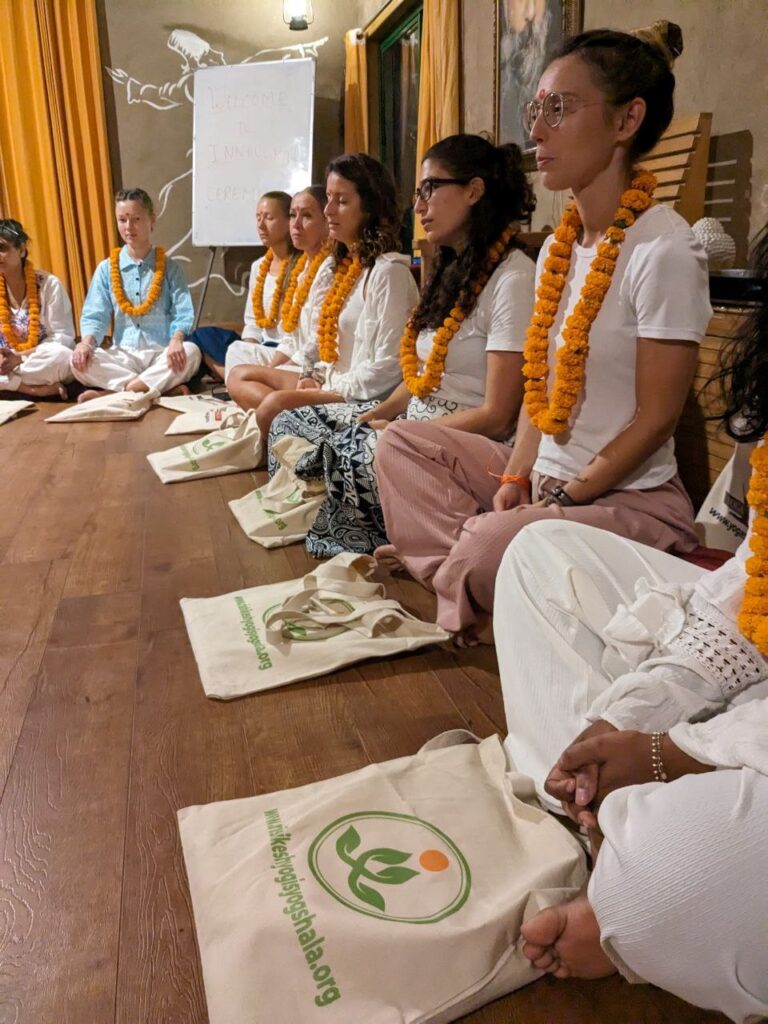
Rishikesh Yogis Yogshala has a positive and motivating surroundings. Teachers personally attend to every student, guiding them toward the yogic way of life and beyond obstacles. The school provides tranquil surroundings surrounded by the Himalayan foothills and the holy Ganges, together with pleasant housing and vegetarian cuisine.
What Is a Typical Daily Schedule for Yoga Teacher Training?
A yoga teacher training program in Rishikesh generally follows a structured daily routine that combines physical practice, theoretical learning, meditation, and personal study.
Morning sessions may begin with meditation, pranayama, or Hatha Yoga practice. These activities help students develop awareness of their breathing and prepare for the day’s lessons.
After breakfast, students may attend anatomy classes, yoga philosophy lessons, or teaching methodology workshops. These sessions introduce important concepts that support the practical aspects of yoga.
Afternoon classes may include Vinyasa Yoga, alignment workshops, posture demonstrations, and practical teaching exercises. Students get opportunities to apply what they have learned and receive guidance from their instructors.
Evening activities may include gentle yoga, mantra chanting, meditation, or relaxation practices.
Following a regular schedule helps students develop discipline and consistency while gaining a better understanding of traditional yoga. The exact timetable depends on the selected course and the school’s training structure.
The great spiritual absorption in this instruction is among its most distinctive features. You live yoga, not only learn it. From group conversations and communal living to mantra chanting and quiet meditation, every aspect of the experience shapes you personally and as a prospective teacher.
This beginning-friendly Yoga instructor Training in Rishikesh is the ideal initial step regardless of your intended career path—certified yoga instructor or simply deepening your own practice. Under professional direction, in a calm environment, with a balanced program, you will leave feeling inspired and energized.
Frequently Asked Questions:
1. Can I join yoga teacher training in Rishikesh without previous experience?
Yes, many yoga schools offer foundational programs for beginners. Students can learn basic asanas, pranayama, meditation, anatomy, and yoga philosophy. Check the school’s eligibility requirements before enrolling.
2. Which yoga teacher training course is best for beginners?
A 100-hour foundational course or a beginner-friendly 200-hour program can be suitable options. Your choice should depend on your experience, learning goals, available time, and the school’s admission requirements.
3. Do I need to be flexible to become a yoga instructor?
No. You do not need advanced flexibility to begin yoga teacher training. Flexibility can develop gradually through regular practice, correct alignment, and appropriate guidance.
4. What subjects are taught in beginner yoga teacher training?
Common subjects include Hatha Yoga, Vinyasa Yoga, asana alignment, pranayama, meditation, anatomy, yoga philosophy, and teaching methodology.
5. How long does a beginner yoga teacher training course take?
The duration depends on the course. A 100-hour program requires a shorter commitment than a comprehensive 200-hour course. Check the school’s official timetable for exact dates and duration.
6. Can beginners become certified yoga instructors?
Beginners can pursue suitable teacher-training programs and build the necessary foundational knowledge. Professional certification and registration depend on completing the appropriate training pathway and meeting applicable requirements.
7. What should I bring to yoga teacher training in Rishikesh?
Students should generally bring comfortable yoga clothing, personal toiletries, a notebook, suitable footwear, and other personal essentials. Check with the school for any additional requirements.
8. Why choose Rishikesh for beginner yoga teacher training?
Rishikesh is a popular destination for yoga education because of its traditional yoga culture, established yoga schools, and opportunities to explore meditation and yogic philosophy in a dedicated learning environment.